

Artificial Intelligence
Is Changing Public Safety.
Artificial intelligence is already changing the way law enforcement agencies investigate crimes, analyze evidence, identify threats, deploy resources, and protect their communities.
It is changing prosecution too—how evidence is reviewed, how cases are prepared, and how information moves through the criminal justice system.
The question is no longer whether artificial intelligence will become part of public safety.
The question is who will shape how it is used.
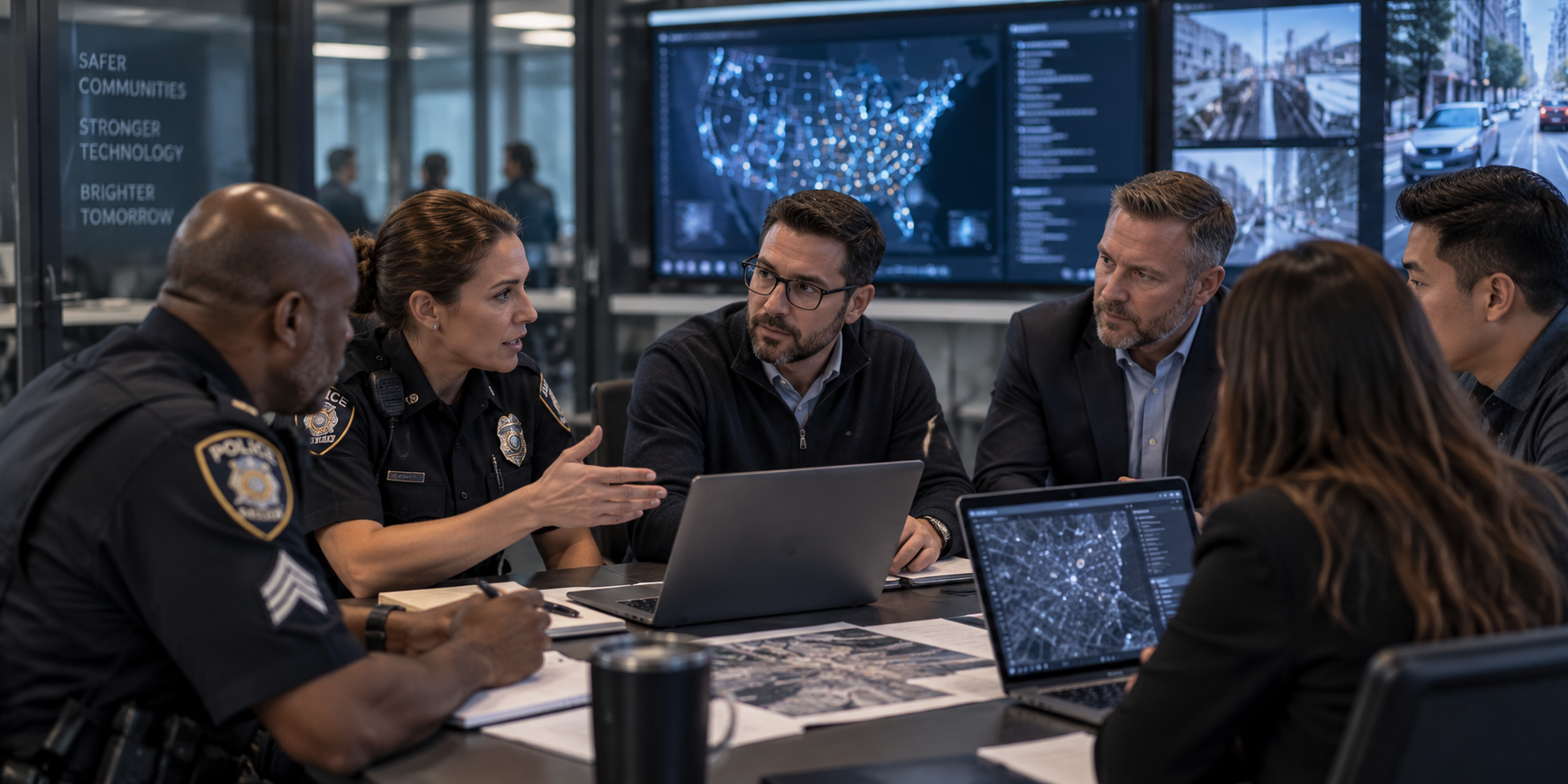
The People Using the Technology Need a Seat at the Table.
Some of the most important decisions about artificial intelligence and public safety are being made right now.
Technology companies are developing new tools. Legislators are considering new laws. Regulators are debating new restrictions. Courts will increasingly confront questions about AI-generated evidence and investigative technology.
But those decisions cannot be made without the people who understand what these technologies look like in the real world.
They know what these tools can do.
They know where they can fail.
And they know what happens when a policy written on paper meets an investigation, a prosecution, or a dangerous situation on the street.
Innovation and Responsibility Are Not Opposing Ideas.
Artificial intelligence has the potential to become one of the most important technological advances in modern public safety.
It can help investigators process enormous amounts of information, uncover connections that might otherwise be missed, reduce administrative burdens, improve the use of limited resources, and give law enforcement new tools to solve crimes and protect communities.
But powerful technology comes with real consequences when it gets something wrong.
We do not believe the answer is stopping innovation.
We believe the answer is getting the right people involved early enough to make it work.
What the Center Does
The Center is built to act.
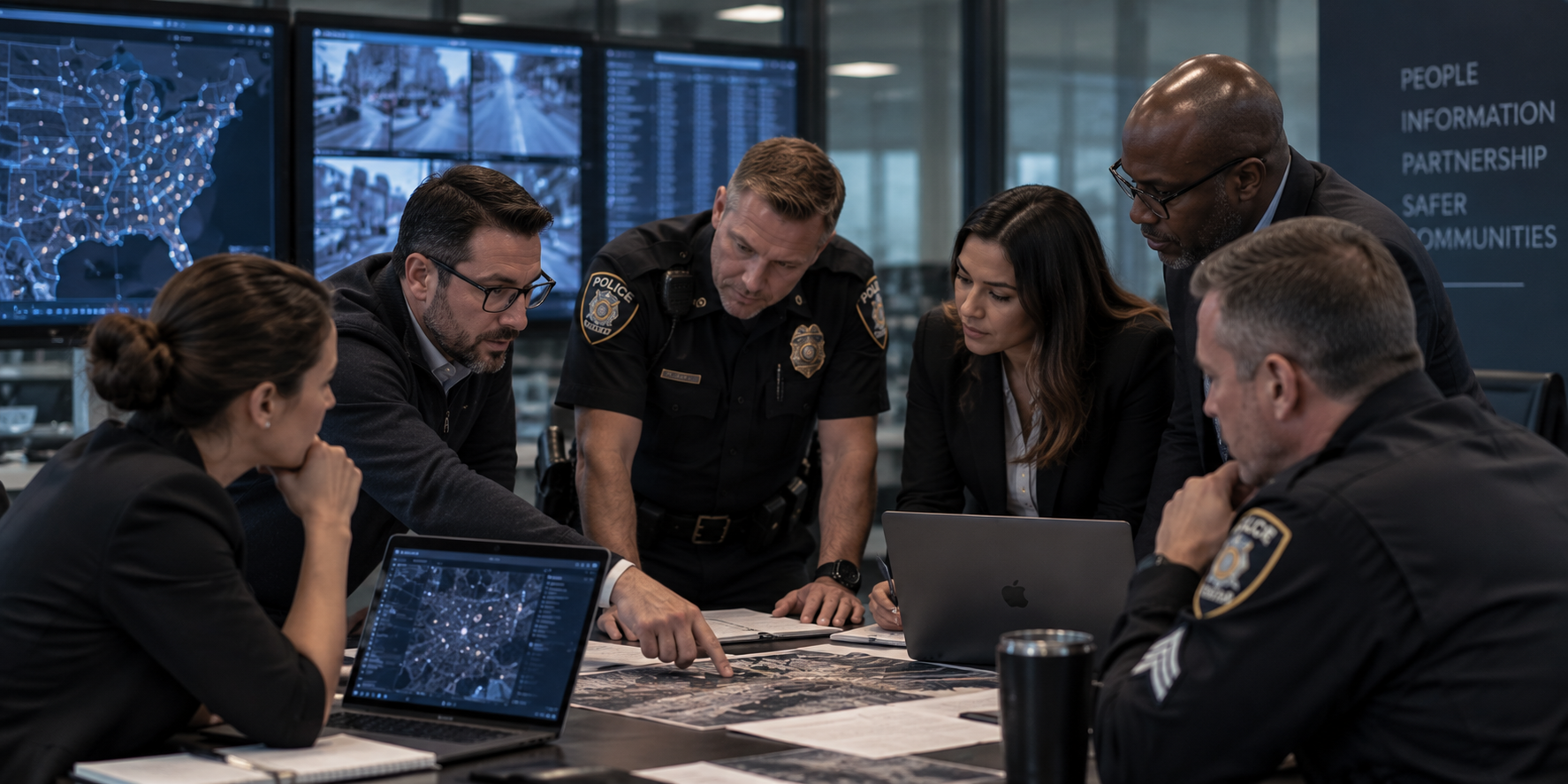
We bring technology companies directly together with law enforcement officers, investigators, and prosecutors who are using their technology in the real world.
We work through questions involving evidence, investigations, privacy, accuracy, transparency, and courtroom use with the people who actually have to deal with them.
We help develop practical standards that law enforcement agencies and prosecutors can actually follow.
And when lawmakers and regulators begin deciding the future of these technologies, we make sure the people who understand them are in the room.
This is not about writing reports from Washington.
From the Investigation to the Courtroom
One of the biggest mistakes in the debate over artificial intelligence is treating a new technology as though its impact ends when an officer finishes using it.
It doesn't.
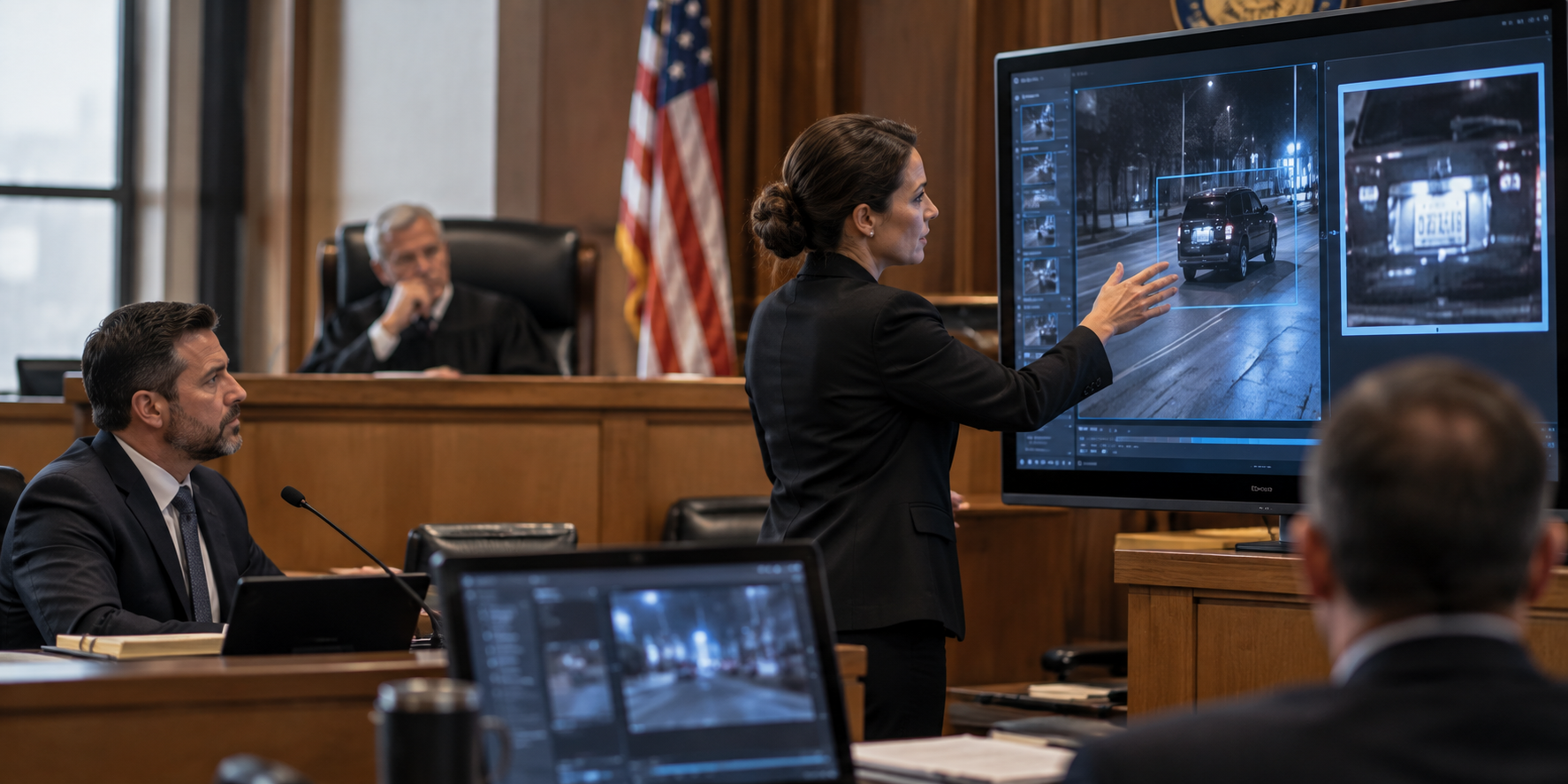
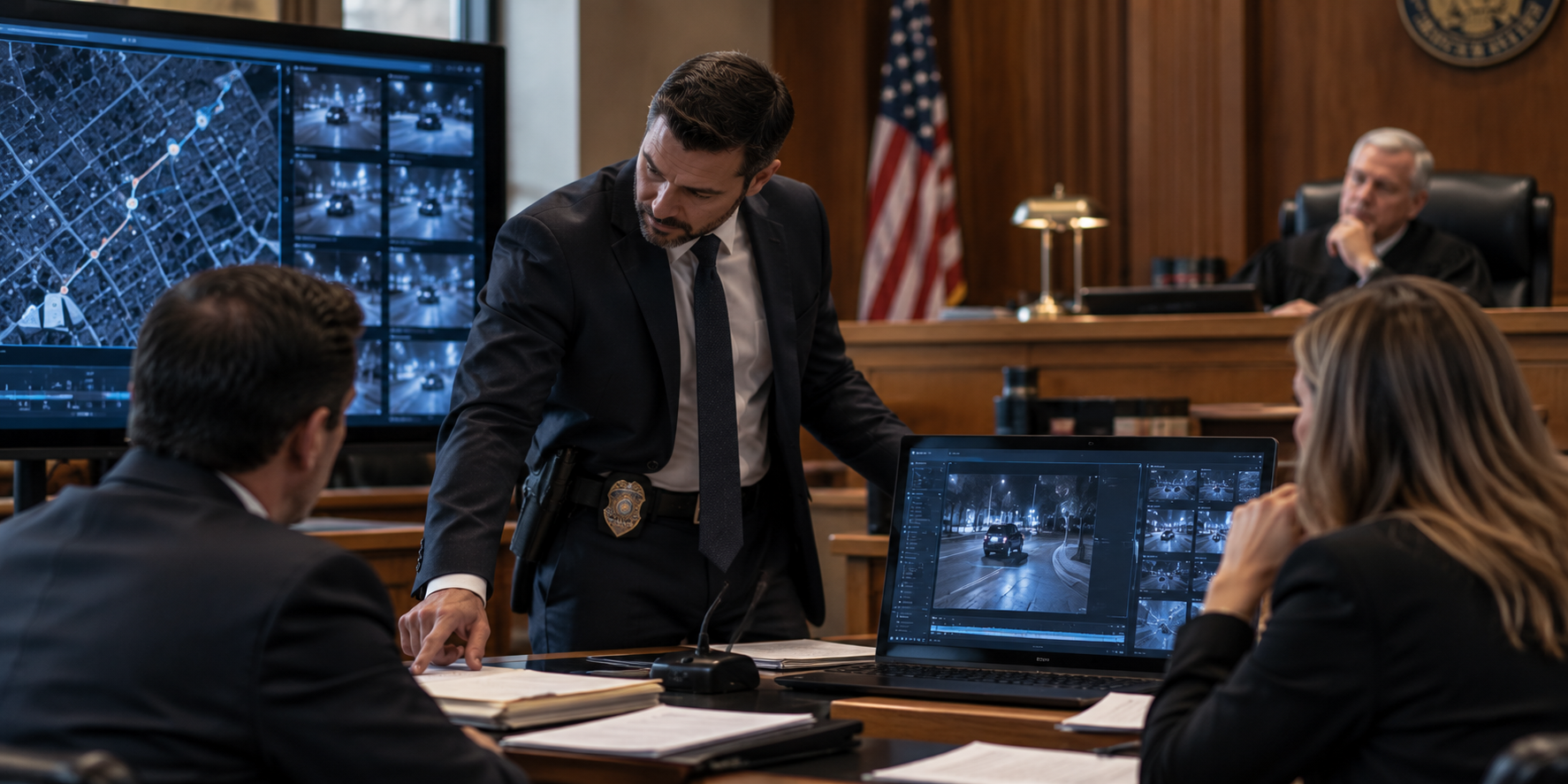
A technology used during an investigation can lead to an arrest. The information it produces can become evidence. That evidence can become part of a prosecution. And eventually, a prosecutor may have to stand in a courtroom and defend how that evidence was created and why it should be trusted.
Investigators need to know what the technology is actually doing.
Prosecutors need to know what they may eventually have to defend in court.
Technology companies need to understand how their products will be used, challenged, and scrutinized.
And policymakers need to understand what their rules will mean in an actual investigation or prosecution.
CPSLE can connect that entire chain.
A National Table for AI and Public Safety
There are technology organizations. There are law enforcement organizations. There are prosecutor organizations. There are policy organizations.
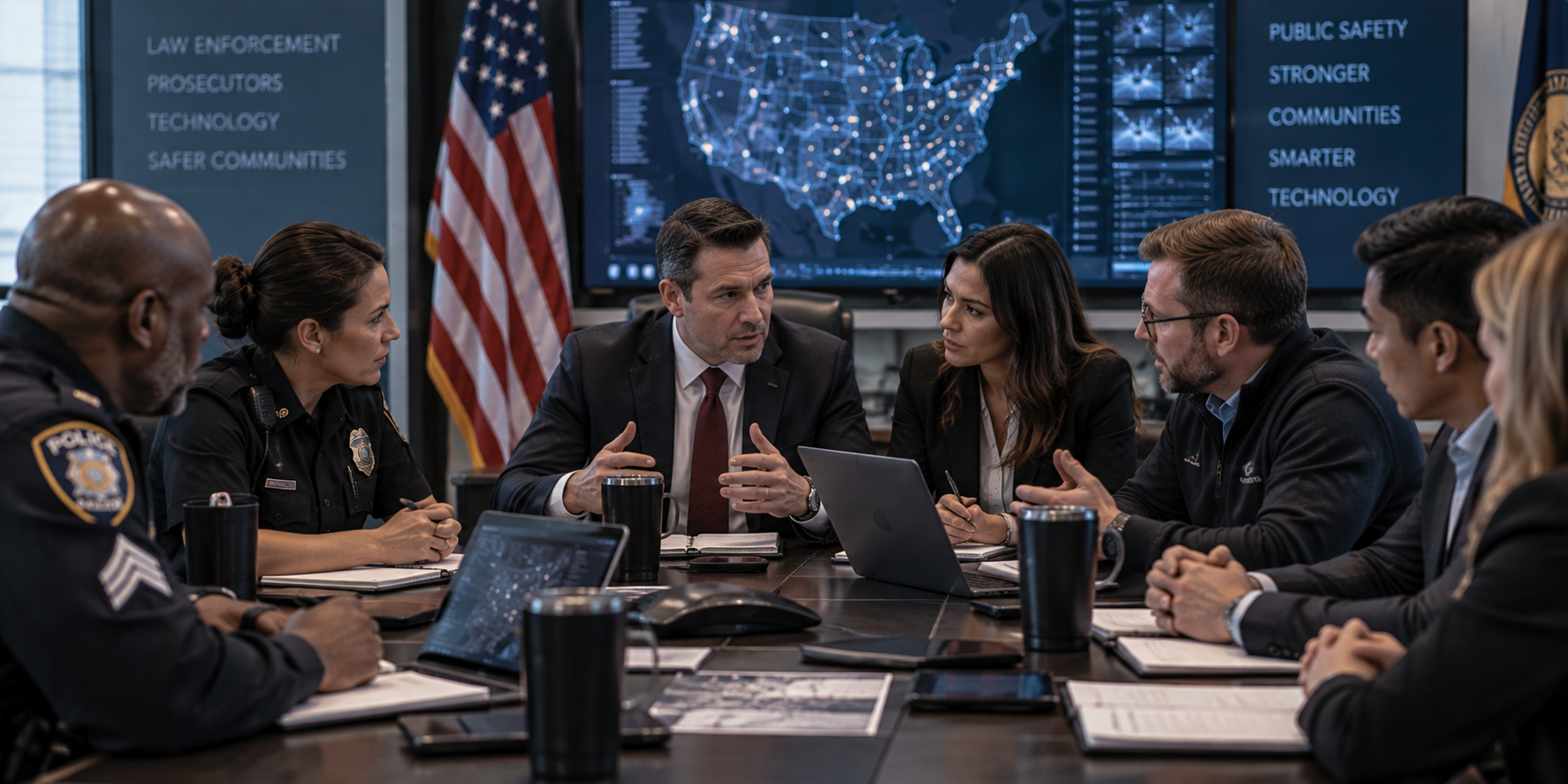
The Center will bring together law enforcement officers, investigators, prosecutors, technology companies, policymakers, researchers, and other people with a direct role in the future of artificial intelligence and public safety.
The objective is to identify problems, work through them with the people who understand them, and turn those conversations into solutions that can actually be used.
Then we work to make sure those solutions are put into practice—engaging lawmakers, regulators, agencies, and other decision-makers to turn practical solutions into policy, standards, and rules that work in the real world.
Technology Will Keep Moving.
CPSLE Intends to Be in the Middle of It.
Artificial intelligence will keep changing how crimes are investigated, how evidence reaches the courtroom, and how public safety agencies operate.
CPSLE brings together the people who build the technology, the people who use it, the people who prosecute the cases it touches, and the people who write the rules—so public safety has a voice in what comes next.