Organized Retail Crime
Has Changed.
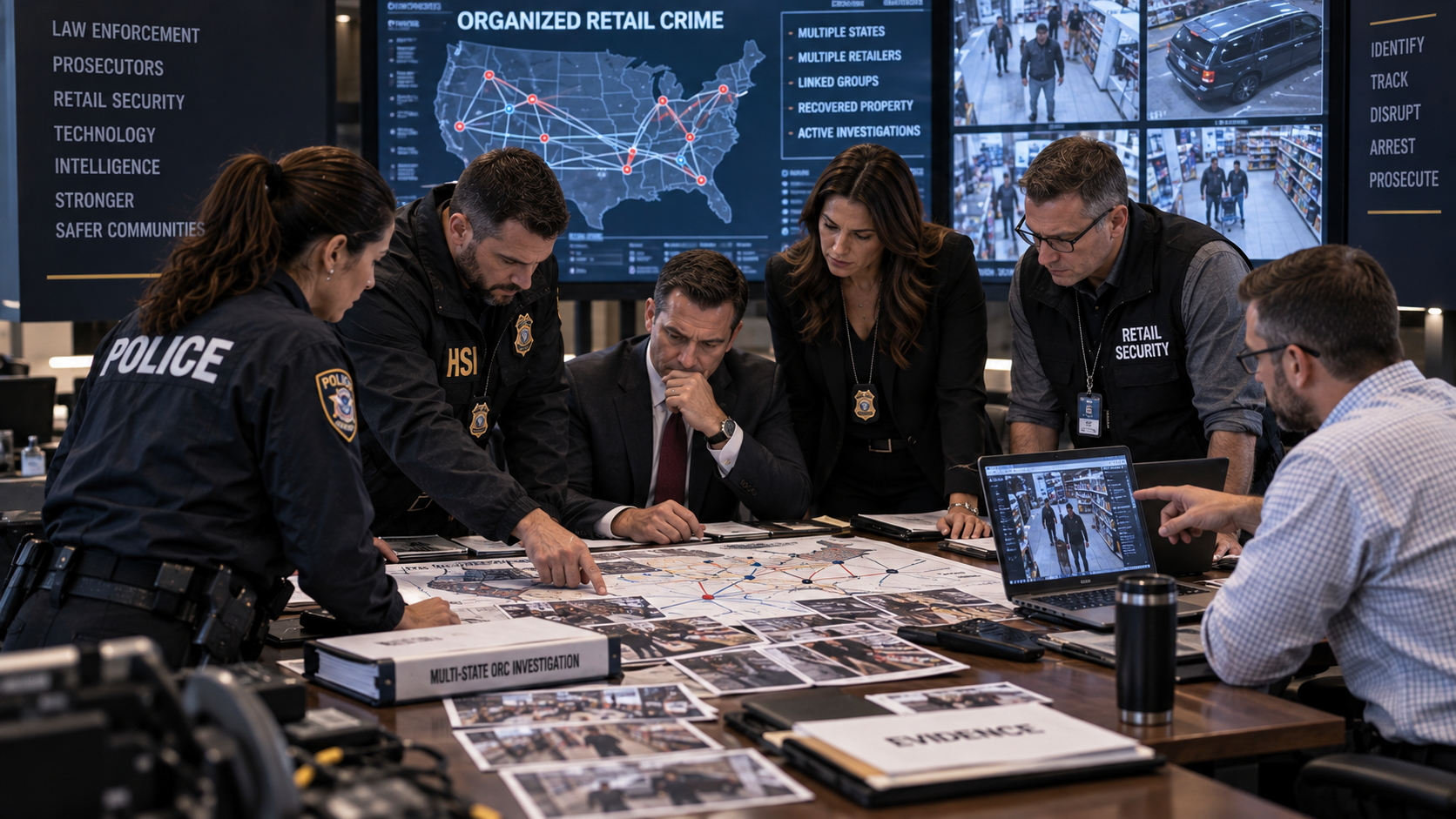
Organized retail crime is no longer simply a problem at the store door.
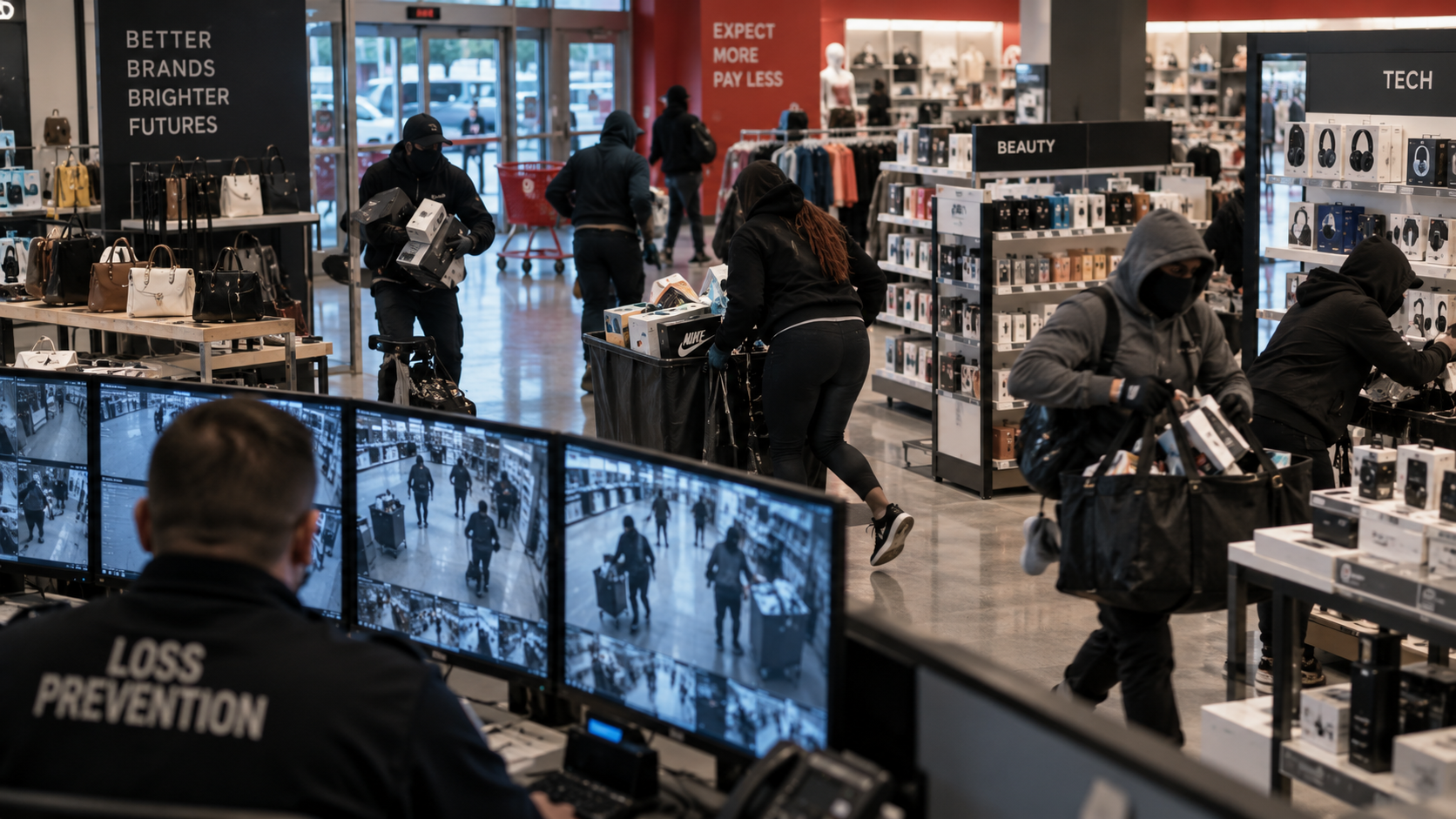
Criminal organizations are moving across stores, cities and states. They are using repeat offenders and coordinated theft crews, targeting supply chains, exploiting online marketplaces, and turning stolen merchandise into profit through increasingly sophisticated networks.
The numbers show how the problem is changing. While retailers reported a 12.4% decline in traditional shoplifting incidents in 2025, half reported increased repeat-offender activity and organized-retail-crime-related events increased 40%. NRF, 2026
The problem isn't disappearing. It's evolving.
And the response has to evolve with it.
It's Hurting American Communities.
Organized retail crime doesn't just hurt retailers.
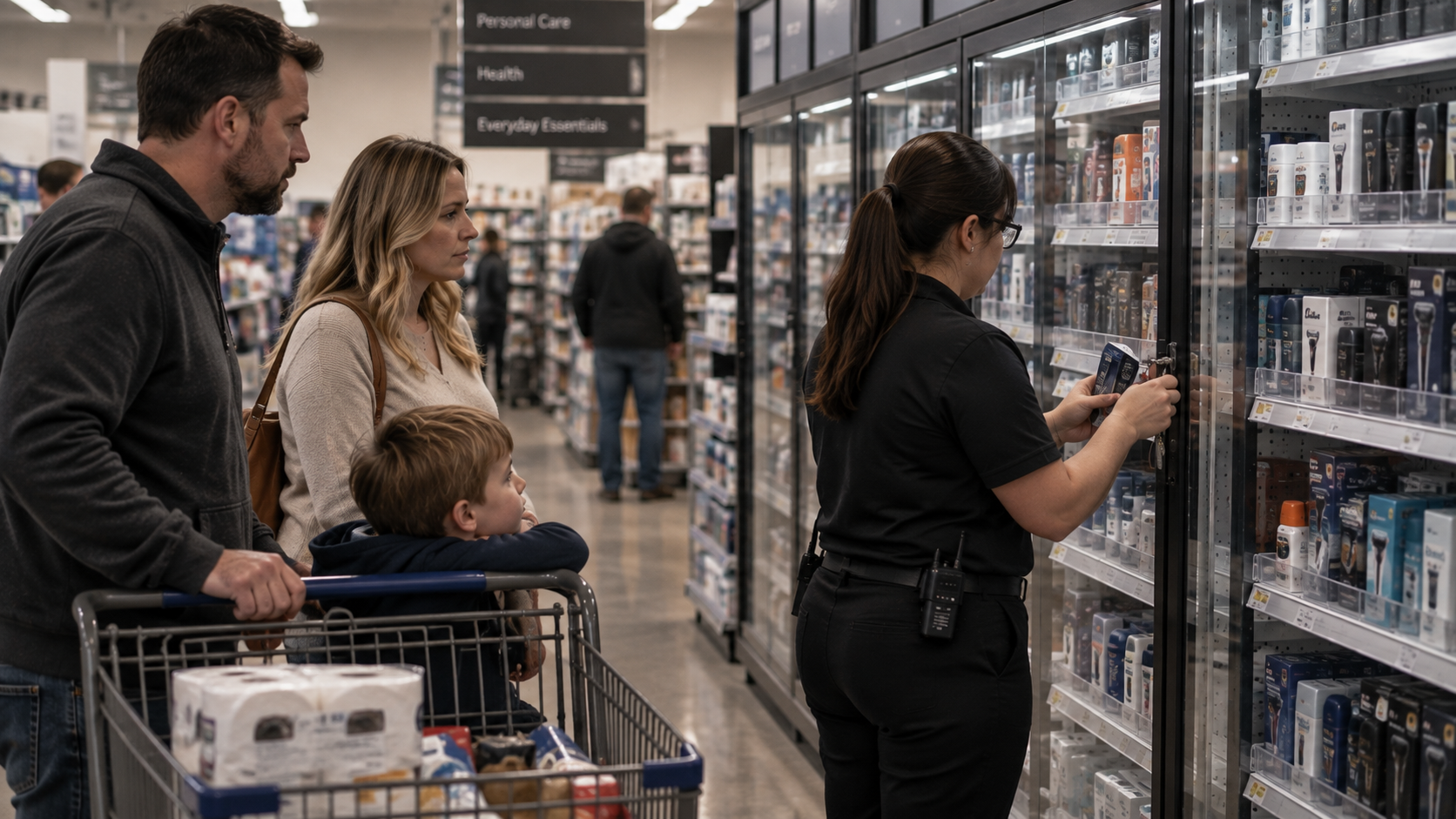
Employees are put in dangerous situations. Families encounter everyday products locked behind security barriers. Businesses are forced to spend more protecting their employees and merchandise. Stores can change hours, reduce services, or reconsider locations where theft and violence become persistent problems.
Law enforcement officers are repeatedly called to deal with offenders who may be part of something much larger than a single theft.
And the financial consequences don't simply disappear.
Businesses, employees, consumers and communities ultimately pay the price.
Organized retail crime is a public-safety problem—and everyday Americans are living with the consequences.
Give Law Enforcement the Tools to Fight Back.
The criminals have become more sophisticated.
Law enforcement needs the resources to keep up.
CPSLE will fight for the funding, technology, investigative resources, training and information-sharing capabilities law enforcement needs to identify organized criminal networks and dismantle them.
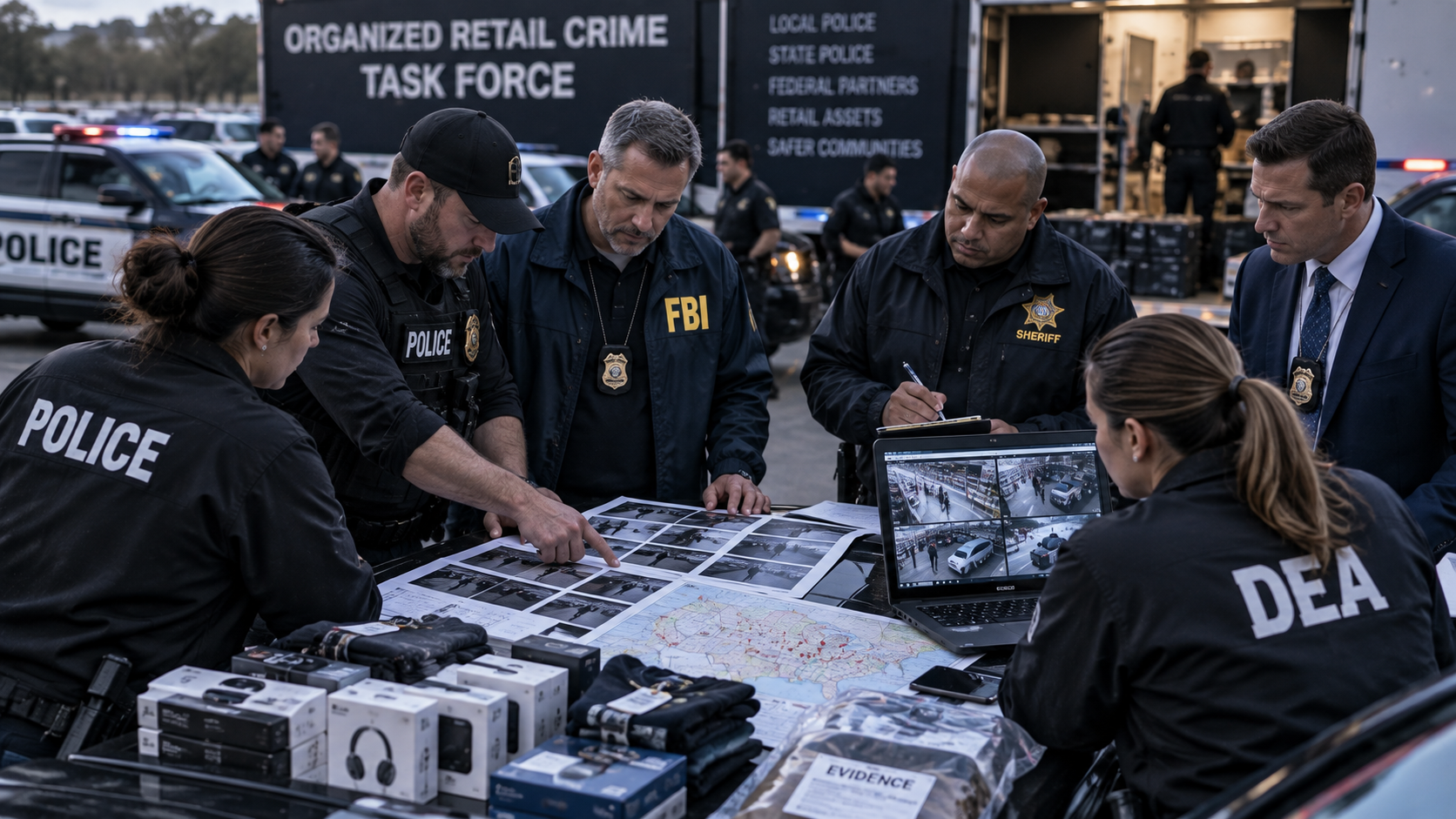
That means supporting specialized investigators and organized-retail-crime task forces. It means giving agencies the technology and resources to connect suspects, vehicles, stolen merchandise, resale operations and cases across jurisdictions.
It means improving coordination between local, state and federal law enforcement. And it means helping an investigator looking at one case recognize when that case is connected to dozens—or hundreds—of others.
We already know what can happen when law enforcement receives dedicated resources. In 2025, the California Highway Patrol's Organized Retail Crime Task Force conducted 734 investigations, made 1,208 arrests and recovered nearly $17 million in stolen merchandise. California, 2026
Give law enforcement the tools, resources and funding—and let them do their job.
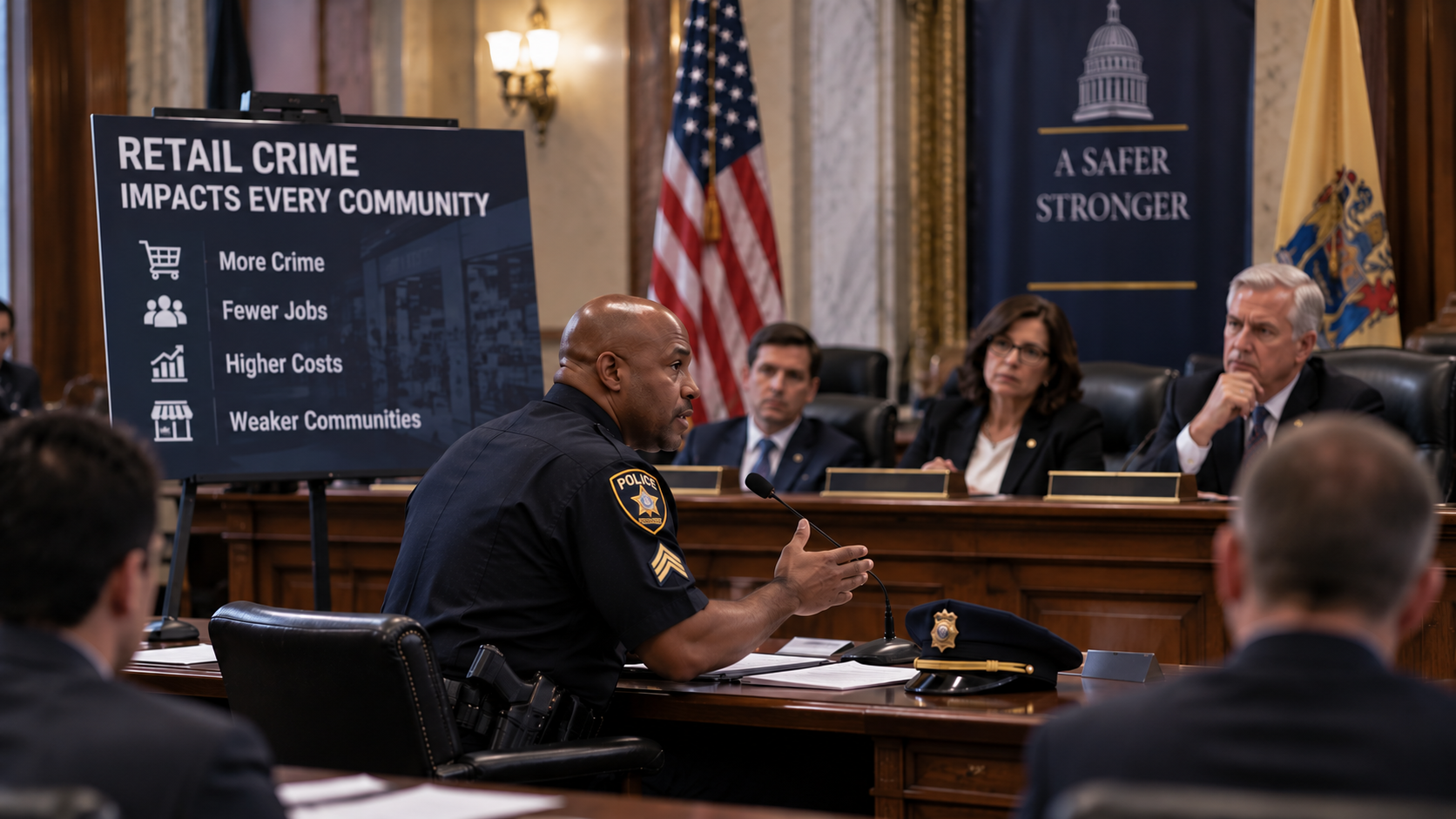
The Laws Need to Keep Up With the Crime.
Criminal organizations don't organize themselves around city limits, county lines or state borders.
Our laws and enforcement strategies cannot pretend that they do.
CPSLE will work with law enforcement, prosecutors, retailers and policymakers to identify weaknesses in existing laws and fight for changes that give investigators and prosecutors the tools they need to dismantle organized retail criminal enterprises.
When criminals exploit gaps in existing law, those gaps need to be closed.
When investigators lack the legal tools necessary to pursue sophisticated criminal networks, those tools need to be strengthened.
When cases cross jurisdictions, law enforcement and prosecutors need the ability to follow the organization—not just the individual crime.
And when federal action is necessary to address criminal networks operating across state lines, CPSLE will fight for it.
The law should make organized retail crime harder—not make the criminal's job easier.
The Criminals Are Organized.
Our Response Should Be Too.
No single police department can solve this problem.
No single prosecutor can solve it.
No single retailer can solve it.
CPSLE's Center for Organized Retail Crime will bring together law enforcement, investigators, prosecutors, retailers, technology companies and policymakers around a national effort to fight organized retail crime.
Not simply to study it.
To fight for stronger laws.
To secure the funding and tools law enforcement needs.
To strengthen coordination across jurisdictions.
To help dismantle the criminal organizations profiting from it.
And to protect the American families and communities paying the price.
The criminals are already organized.
It's time the response was too.