
Prosecutors Have
Enormous Power.
Prosecutors decide what gets prosecuted. What gets dismissed. Who gets diverted. What plea agreements are offered. What consequences offenders face. And, increasingly, which crimes their offices simply will not prosecute.
Those decisions don't stay inside the courthouse.
They affect the officer who arrests the same offender again. The victim who thought the case would bring justice. The business owner who gets hit again. And the community that lives with the consequences.
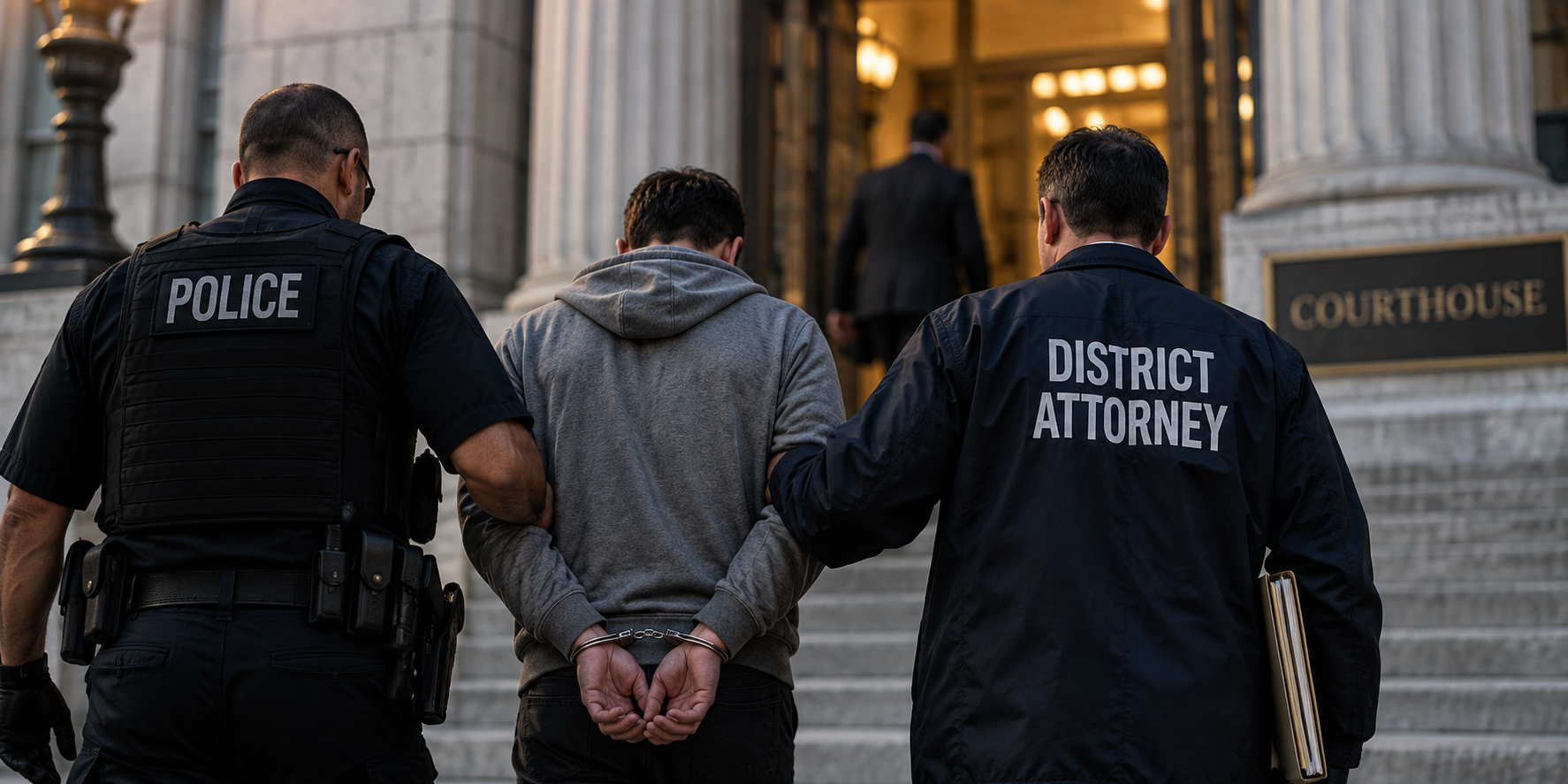
We’re Watching What Happens After the Arrest.
An arrest is only the beginning.
What happened to the case?
Was it prosecuted, reduced, dismissed, or diverted?
And most importantly:
What happened next?
Too often, the public hears about an arrest without ever learning what happened afterward.
The Center follows the case beyond the arrest—through the prosecutor's office, through the courts, and, when necessary, back onto the street.
Because when the same offender keeps coming through the system, we want to know why.
Law Enforcement Knows When the System Isn’t Working.
CPSLE represents tens of thousands of law enforcement officers and is building relationships with prosecutors across the country. Our network includes people working inside the criminal justice system every day.
They know when strong cases disappear.
They know when the same offenders keep coming back.
They know when a policy coming out of a prosecutor's office is making their community less safe.
Those people tell us where to look.
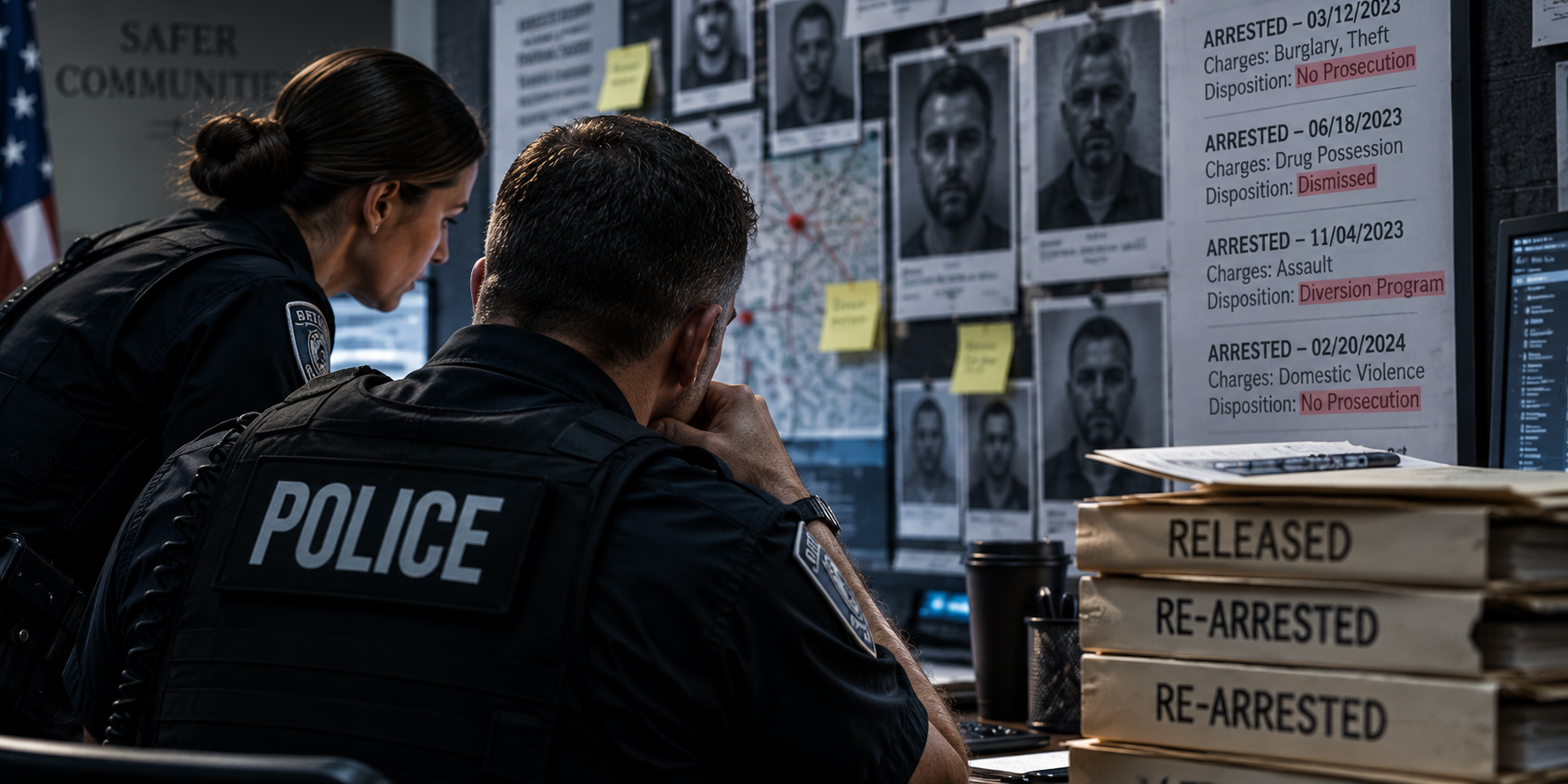
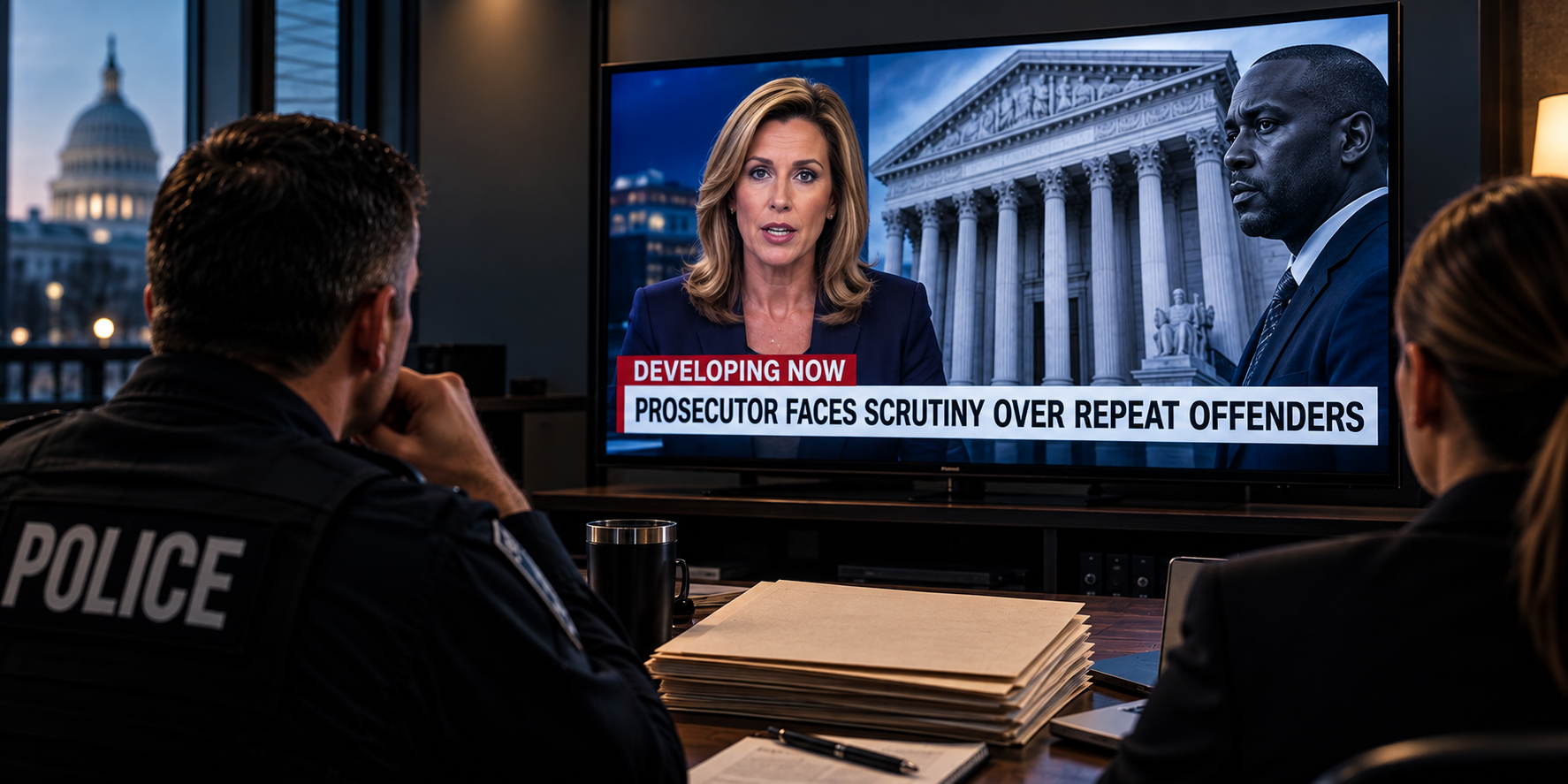
When We Find It,
We’re Going to Expose It.
When a prosecutor announces one thing publicly and does something different behind closed doors, we know about it.
When policies repeatedly put the same offenders back on the street, we know about it.
And when the consequences show up in another police report, another arrest, or another victim, we know about it.
We aren't collecting information to put another report on a shelf.
We are collecting it so we can expose it.
Elections Have Consequences.
So Should the Decisions Made After Them.
Prosecutors ask voters to trust them with extraordinary power over the criminal justice system.
They should expect someone to pay attention to how they use it.